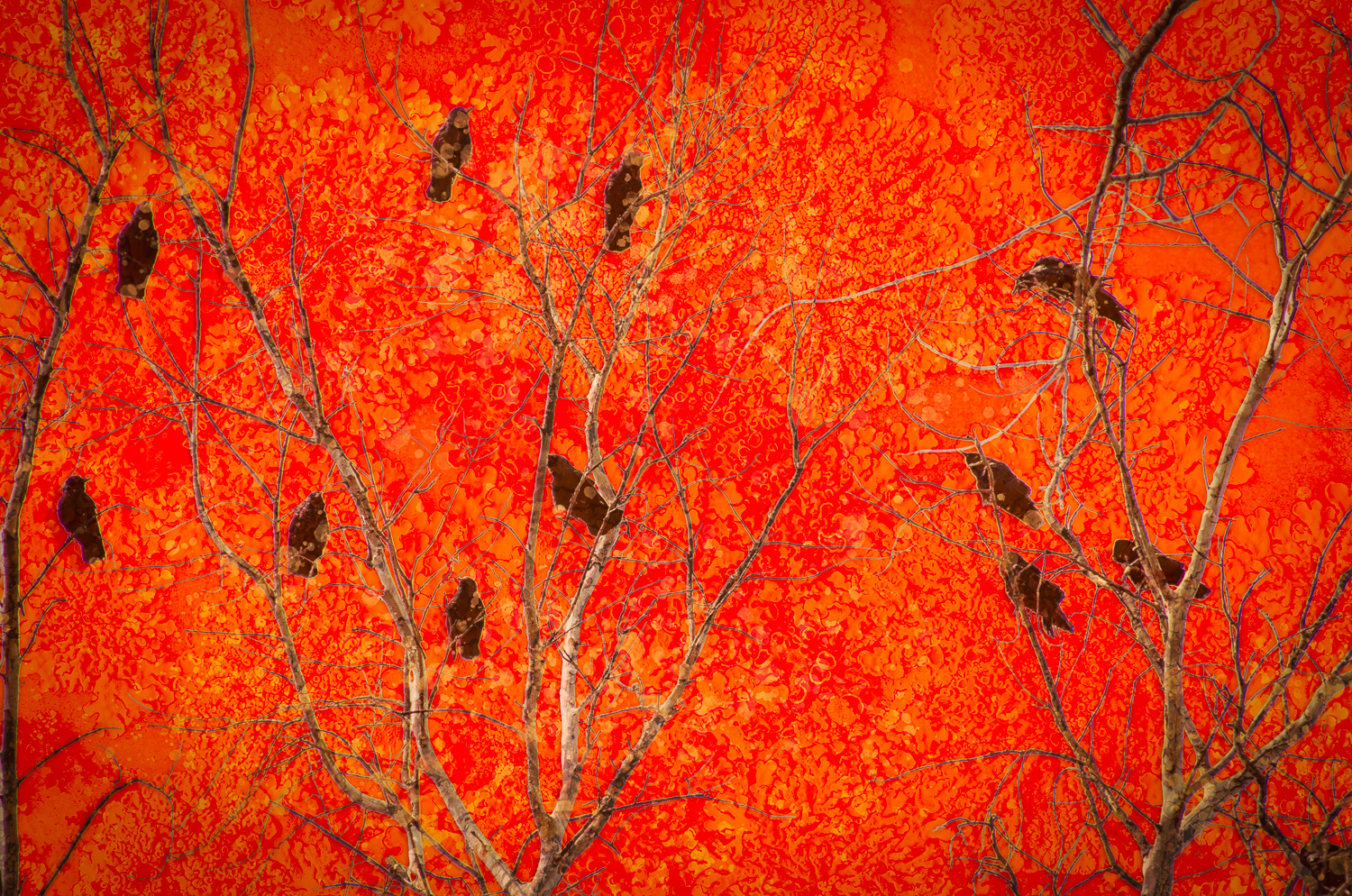
They line the telephone wires like black clothespins pinning down the sky, tilting their obsidian heads in synchronized assessment. To call a group of ravens an “unkindness” or crows a “murder” was humanity’s first unconscious admission: deep down, we know they are keeping score.
Across urban rooftops and woodland borders, corvids—crows, ravens, magpies, and jays—operate with an unsettling, collective intelligence. They do not merely survive alongside civilization; they exploit it. Studies confirm they recognize human faces, harbor multi-generational grudges, craft custom tools from twigs and wire, and hold solemn, diagnostic “funerals” to assess environmental threats. When you offend a single crow, it communicates your face to its roost, transforming strangers into a neighborhood surveillance network.
Lately, their coordination hints at something bolder than opportunistic scavenging. They trade shiny trinkets for peanuts, manipulating human affection into structured barter. They test traffic patterns, dropping stubborn walnuts into pedestrian crosswalks and waiting for vehicle tires to do the heavy lifting before hopping down on the green light. Blue jays imitate hawk cries across suburban gardens to scatter songbirds from backyard feeders, while magpies stage intricate caching deceptions, pretending to hide seeds until watchful rivals look away.
Whether exchanging tactical knowledge across migrating flocks or monitoring street corners with deliberate stillness, the corvid collective is organizing in plain sight. They have mapped our routines, decoded our weaknesses, and learned that patience is the sharpest beak of all.