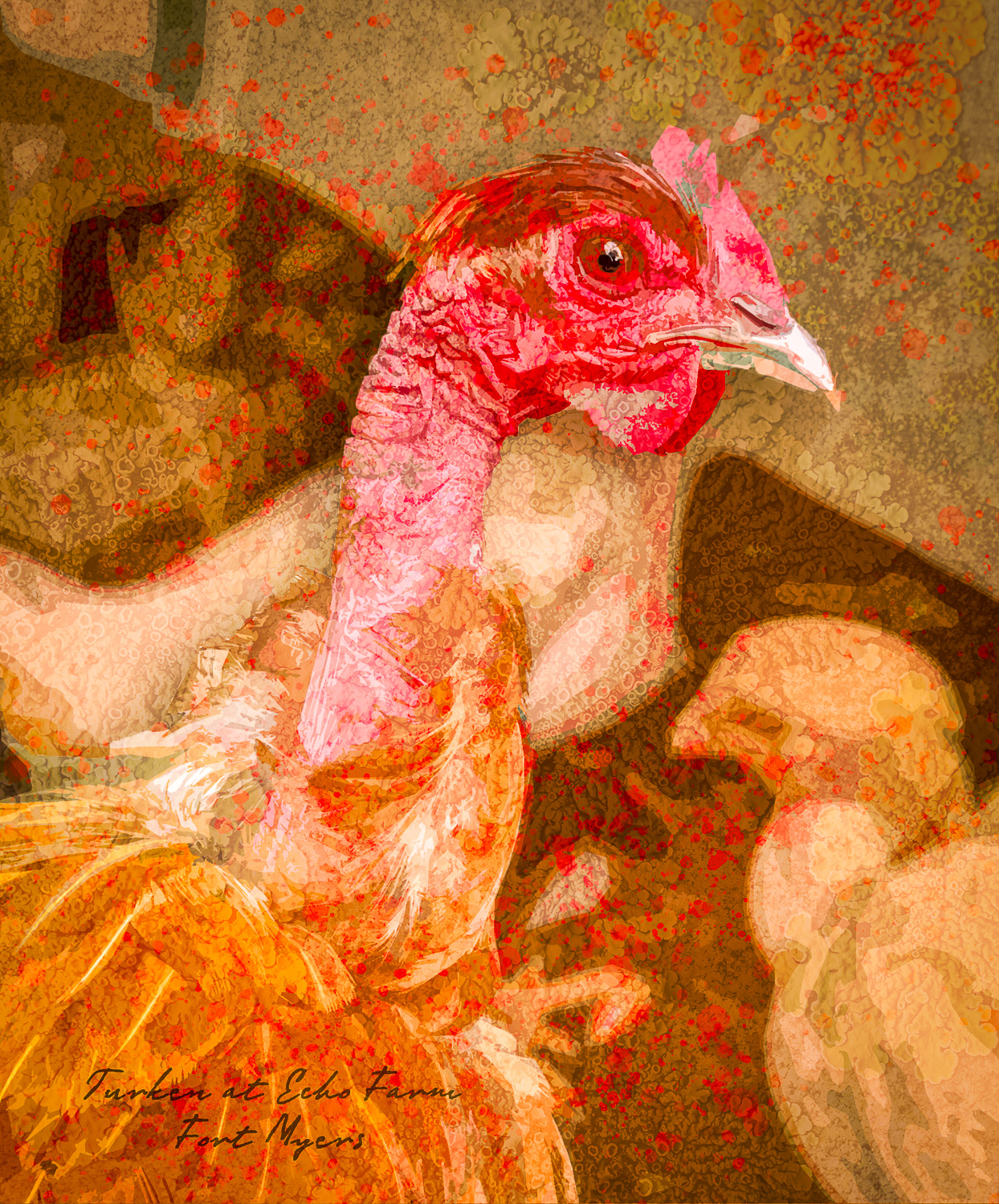
Despite its name and bizarre appearance, the “Turken”—often dubbed the Transylvanian Naked Neck—is not a hybrid cross between a turkey and a chicken. Biological barriers between the two distinct genera (Gallus gallus and Meleagris gallopavo) render viable offspring virtually impossible. Instead, the Turken is a pure chicken possessing a striking, naturally occurring genetic mutation.
The bird’s featherless, craggy red neck and throat stem from a single, co-dominant gene (Na) that causes an overproduction of bone morphogenetic protein 7 (BMP7). This biochemical quirk suppresses feather follicle development entirely along the neck and reduces total plumage across the body by roughly 30 to 50 percent. When exposed to sunlight, the bird’s exposed neck skin turns a vivid crimson, reinforcing the uncanny resemblance to a wild turkey that historically fooled homesteaders and carnival sideshows alike.
Originating in Eastern Europe and introduced to Britain and North America in the late 19th century, the breed quickly proved far more than a farmyard curiosity. With significantly fewer feathers to trap body heat, Naked Necks excel in hot, humid climates where fully feathered breeds succumb to heat stress. They are robust dual-purpose birds: hens lay around 180 to 200 medium-to-large brown eggs annually, and their meat is lean and flavorful. For poultry keepers, the lack of plumage also offers a practical advantage at harvest, cutting the tedious labor of plucking in half. Friendly, calm, and surprisingly cold-hardy despite their bare skin, Turkens remain one of nature’s most effective optical illusions.