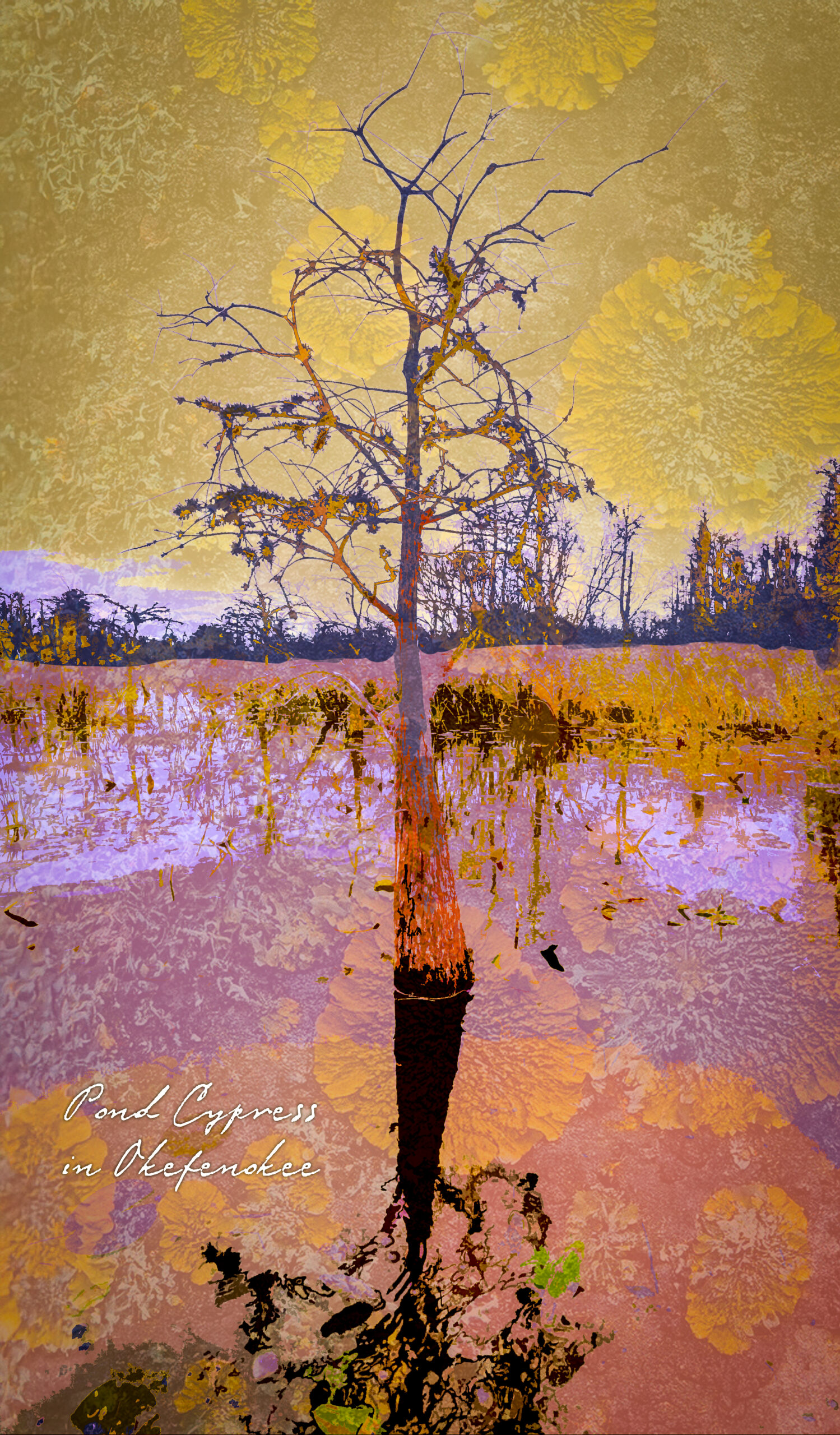
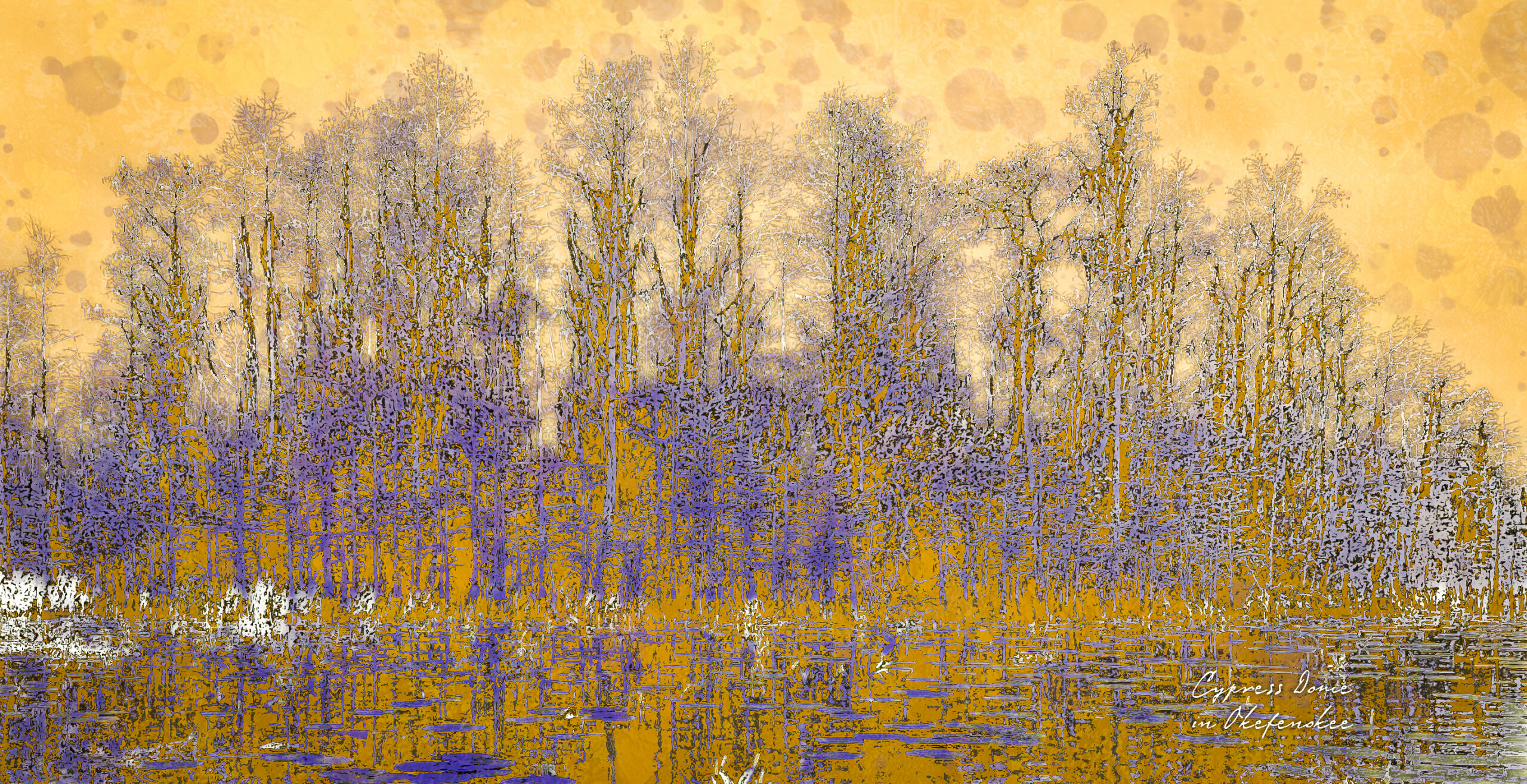
The Okefenokee Swamp is a truly remarkable and enigmatic natural wonder. Spanning over 400,000 acres, it is one of the largest freshwater wetlands in the United States, and it is a designated UNESCO World Heritage site, recognized for its outstanding natural and cultural significance. As I’ve explored this captivating landscape over the years, I’ve been struck by the sheer scale and complexity of the Okefenokee, and the way it seems to transport visitors back in time to a world that is both familiar and utterly foreign.
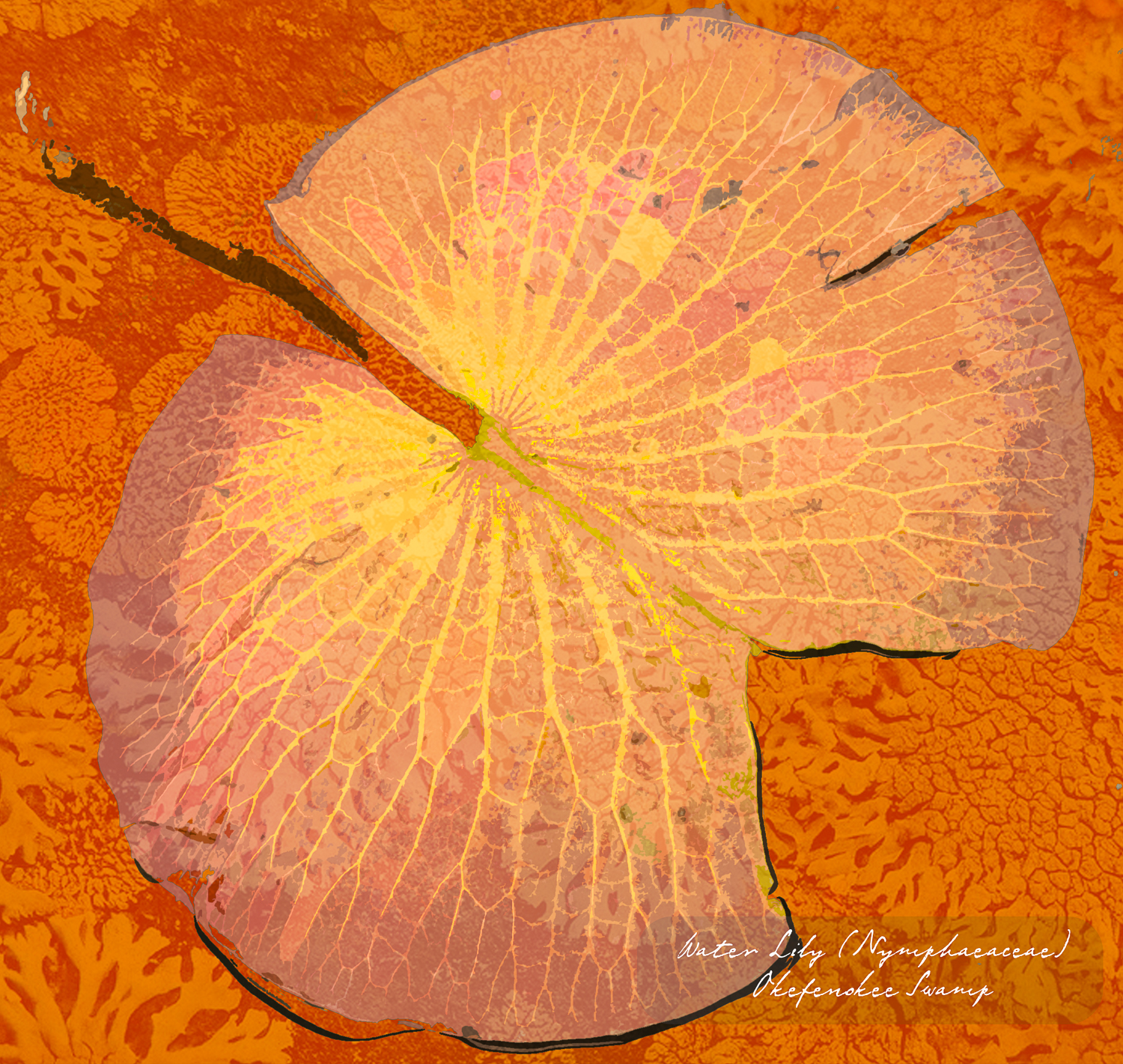
One of the first things that captivates visitors to the Okefenokee is the otherworldly beauty of the swamp itself. Imagine a vast, mirror-like expanse of dark, tea-colored water, dotted with the twisted, gnarled trunks of ancient cypress trees and the vibrant green hues of floating aquatic vegetation. The air is thick with the calls of a myriad of birds, from the haunting cries of the great blue heron to the raucous chatter of the wood duck. And all around, the swamp is shrouded in a misty, ethereal haze, lending an air of mystery and enchantment to the entire landscape.
As a master naturalist, I’ve had the privilege of leading numerous guided tours and educational programs in the Okefenokee, and I never cease to be amazed by the incredible diversity of life that thrives within this unique ecosystem. From the iconic American alligator, basking on the surface of the water, to the elusive black bear, roaming the dense, tangled forests, the Okefenokee is a true haven for a wide range of plant and animal species.
One of the most captivating aspects of the Okefenokee, in my opinion, is the way it seems to exist in a state of perpetual change and renewal. The swamp is a dynamic, ever-evolving landscape, shaped by the ebb and flow of water, the cycles of growth and decay, and the constant interplay of various plant and animal communities. As I navigate the winding waterways, I’m constantly struck by the way the scenery seems to shift and transform, revealing new vistas and hidden wonders at every turn.
And it’s not just the natural beauty of the Okefenokee that captivates me – it’s also the rich cultural history and deep-rooted human connection to this remarkable place. For centuries, the Okefenokee has been home to a diverse array of indigenous peoples, from the Seminole and Creek tribes to the Timucua and Guale. These communities have long revered the swamp as a sacred and sacred place, a source of sustenance, and a wellspring of cultural and spiritual identity.
As a master naturalist, I’ve had the privilege of learning about the intricate ways in which these indigenous communities have coexisted with the Okefenokee, using its resources sustainably and incorporating its natural features into their traditional practices and beliefs. From the intricate network of canoe trails that wind through the swamp to the rich oral traditions and mythologies that have been passed down through generations, the Okefenokee is a living testament to the enduring power of the human-nature connection.
But the Okefenokee is not just a place of natural and cultural significance – it is also a critical ecological resource, and one that is increasingly under threat from a range of environmental challenges. As climate change, habitat fragmentation, and other human-driven forces continue to impact the region, the Okefenokee and the countless species that call it home are facing an uncertain future.
It’s a reality that weighs heavily on my mind as I guide visitors through the swamp, and it’s one of the reasons why I’m so passionate about sharing the story of this remarkable place with as many people as possible. Through my work as a master naturalist, I’ve made it my mission to educate and inspire others about the importance of protecting the Okefenokee, and to advocate for the conservation and sustainable management of this irreplaceable natural resource.
One of the most rewarding aspects of my work is witnessing the transformative effect that a visit to the Okefenokee can have on people. I’ll never forget the time I led a group of school children on a field trip to the swamp, and watched as their initial hesitation and trepidation gave way to pure wonder and fascination. As we glided silently through the waterways, surrounded by the lush, verdant vegetation and the haunting calls of the wildlife, the children were captivated, their eyes wide with a sense of awe and discovery.
Throughout the day, I shared stories about the history and ecology of the Okefenokee, highlighting the incredible diversity of plant and animal life that thrives within its boundaries. I pointed out the telltale signs of alligator activity, the intricate webs of aquatic vegetation, and the vibrant array of bird species that call the swamp home. And as the children listened, rapt with attention, I could see the spark of understanding and appreciation begin to take hold.
By the end of the day, the children were brimming with questions and a newfound enthusiasm for the natural world. Several of them even expressed a desire to become junior naturalists themselves, eager to learn more about the Okefenokee and the importance of protecting it for future generations. It was a moment that filled me with a deep sense of pride and purpose, and it underscored the profound impact that a direct connection to nature can have on young minds and hearts.
As I look to the future, I’m deeply committed to continuing my work as a champion for the Okefenokee Swamp. Through my guided tours, educational programs, and community outreach efforts, I’ll continue to share the incredible story of this unique and irreplaceable natural wonder, inspiring others to appreciate its beauty, understand its ecological significance, and join me in the fight to protect it.
Because the Okefenokee is more than just a place – it’s a living, breathing embodiment of the enduring power of the natural world, a testament to the resilience and adaptability of life in the face of adversity. And as a Florida certified master naturalist, it’s my privilege to be a steward of this remarkable place, to ensure that its timeless beauty and ecological importance are preserved for generations to come.
So, if you ever find yourself drawn to the mystic depths of the Okefenokee Swamp, I encourage you to embrace the adventure and let yourself be swept away by the sheer wonder and magic of this truly remarkable natural wonder. Whether you’re gliding silently through the waterways, hiking along the winding trails, or simply taking in the breathtaking vistas, I can assure you that the Okefenokee will leave an indelible mark on your heart and mind.
After all, this is a place where the past and present converge, where the natural world and human culture intertwine in a tapestry of profound beauty and significance. And as a master naturalist, it’s my honor to share the story of the Okefenokee with all who are willing to listen, to inspire a deeper appreciation for the incredible diversity and resilience of our natural world.
So come, explore the Okefenokee Swamp, and let its timeless allure captivate and transform you. For within the misty depths of this remarkable place, you’ll find a world that is both ancient and ever-changing, a true wonder of the natural world that deserves our reverence, our protection, and our unwavering commitment to its preservation.
| Okefenokee Swamp | |
|---|---|
 Aerial view of wetlands in Okefenokee | |
 | |
| Location | Southern Georgia Northern Florida |
| Coordinates | 30°37′N 82°19′W / 30.617°N 82.317°W |
| Area | 438,000 acres (1,770 km2) |
| Designated | 1974 |
The Okefenokee Swamp is a shallow, 438,000-acre (177,000 ha), peat-filled wetland straddling the Georgia–Florida state border in the United States. A majority of the swamp is protected by the Okefenokee National Wildlife Refuge and the Okefenokee Wilderness. It was designated a National Natural Landmark in 1974[1] and, in 2026, the refuge was inscribed as Georgia's first UNESCO World Heritage Site in recognition of its outstanding universal value as one of the world's largest intact freshwater wetland ecosystems.[2] The wetland is considered one of the Seven Natural Wonders of Georgia and is the largest "blackwater" swamp in North America.
Etymology
The name is attested with more than a dozen variant spellings of the word in historical literature. Though often translated as "land of trembling earth", the name is likely derived from Hitchiti oki fanôːki "bubbling water".[3]
Origin
The Okefenokee was formed over the past 6,500 years by the accumulation of peat in a shallow basin on the edge of an ancient Atlantic coastal terrace, the geological relic of a Pleistocene estuary. The swamp is bordered by the Trail Ridge, a strip of elevated land believed to have formed as coastal dunes or an offshore barrier island. The St. Marys River and the Suwannee River both originate in the swamp. The Suwannee River originates as stream channels in the heart of the swamp and drains at least 90 percent of the swamp's watershed southwest toward the Gulf of Mexico. The St. Marys River, which drains 5 to 10 percent of the swamp in its southeastern corner, flows south along the western side of Trail Ridge through the ridge at St. Marys River Shoals, and north again along the eastern side of Trail Ridge before turning east to the Atlantic.
History
.jpg)
The earliest known inhabitants of the Okefenokee Swamp were the Timucua-speaking Oconi, who dwelt in or on the margin of the swamp. Spanish friars built the mission of Santiago de Oconi in order to convert them to Christianity. The Oconi's boating skills, developed in the hazardous swamps, likely contributed to their later employment by the Spanish as ferrymen across the St. Johns River, near the riverside terminus of northern Florida's camino real.[4]
Modern-day longtime residents of the swamp, referred to as "Swampers", are of overwhelmingly English ancestry. Due to relative isolation, the inhabitants of the Okefenokee used Elizabethan phrases and syntax, preserved since the early colonial period when such speech was common in England, well into the 20th century.[5] The Suwannee Canal was dug across the swamp in the late 19th century in a failed attempt to drain the Okefenokee. After the Suwannee Canal Company's bankruptcy, most of the swamp was purchased by the Hebard family of Philadelphia, who conducted extensive cypress logging operations from 1909 to 1927. Several other logging companies ran railroad lines into the swamp until 1942; some remnants remain visible crossing swamp waterways. On the west side of the swamp, at Billy's Island, logging equipment and other artifacts remain of a 1920s logging town of 600 residents. Most of the Okefenokee Swamp is included in the 403,000-acre (163,000 ha) Okefenokee National Wildlife Refuge.[citation needed]
The largest wildfire in the swamp's history began with a lightning strike near the center of the refuge in May 2007, eventually merging with another wildfire that had begun near Waycross, Georgia, in April when a tree fell on a power line. Named the Bugaboo Fire, the fire burned more than 600,000 acres (240,000 ha), or more than 935 square miles, and remains the largest wildfire in both Georgia and Florida history.[6][7] In 2011, the Honey Prairie Fire consumed 309,200 acres (125,100 ha) of land in the swamp.[8][9][10] In April 2017 a lightning strike started the West Mims Fire,[11] which burned about 152,000 acres (62,000 ha).[12]
Mining
A 50-year titanium mining operation by DuPont was set to begin in 1997, but protests and public–government opposition over possibly disastrous environmental effects from 1996 to 2000 forced the company to abandon the project in 2000 and retire their mineral rights permanently. In 2003, DuPont donated the 16,000 acres (6,500 ha) it had purchased for mining to The Conservation Fund, and in 2005, nearly 7,000 acres (2,800 ha) of the donated land was transferred to Okefenokee National Wildlife Refuge.[13]
In 2018, Twin Pines Minerals LLC, a mining company based in Birmingham, Alabama, proposed a titanium mining operation near the swamp. Over 60,000 people sent comments opposing the operation.[14] In 2020 a rule by the first Trump administration reduced what was protected under the Clean Water Act, removing about 400 acres (160 ha) in the proposed mining site from federal protections.[15] The updated plan would include mining 577.4 acres (233.7 ha) for titanium and zirconium, 2.9 miles (4.7 km) southeast of the refuge.[16] In 2022, U.S. Senator Jon Ossoff temporarily blocked the proposed titanium mine after the U.S. Fish and Wildlife Service warned of severe potential damage to the wildlife refuge.[17] On June 20, 2025, The Conservation Fund purchased all 7,700 acres (3,100 ha) of land owned by Twin Pines Minerals LLC near Okefenokee. The deal, worth a reported US$60 million, formally ended plans by the company to mine titanium oxide and other minerals near the swamp.[18]
World Heritage Site
In July 2026, the UNESCO World Heritage Committee inscribed the Okefenokee National Wildlife Refuge on the World Heritage List under natural criteria (ix) and (x), recognizing its outstanding universal value for its ongoing ecological processes and biodiversity. The inscription made the Okefenokee Georgia's first UNESCO World Heritage Site and the 27th World Heritage Site in the United States. The committee approved the nomination during its 47th session in Busan, South Korea. The refuge had first been identified as a potential World Heritage candidate in 1982, and its nomination followed more than four decades of efforts by federal, state, nonprofit, Tribal and local partners. The inscription came during a period of heightened public attention over proposed titanium mining near the refuge. The refuge continues to be owned and managed by the United States Fish and Wildlife Service.[19]
Tourism and access

Many visitors enter the Okefenokee National Wildlife Refuge each year. The swamp provides an important economic resource to southeast Georgia and northeast Florida. The refuge receives more than 600,000 visitors annually. Public access to the swamp includes:
- Suwannee Canal Recreation Area at Folkston, Georgia
- Kingfisher Landing at Race Pond, Georgia
- Stephen C. Foster State Park at Fargo, Georgia
- Suwannee Sill Recreation Area at Fargo, Georgia
- Okefenokee Swamp Park provides the northernmost access near Waycross, Georgia.
State Road 2 passes through the Florida portion between the Georgia cities of Council and Moniac. The graded Swamp Perimeter Road encircles Okefenokee National Wildlife Refuge. Gated and closed to public use, it provides access for fire management of the interface between the federal refuge and the surrounding industrial tree farms.
Environment
The Okefenokee Swamp had been listed as one of America's Most Endangered Rivers in 2020[20] and again in 2023 on account of the mining threats.[21]
The Okefenokee Swamp is part of the Southeastern conifer forests ecoregion. Much of the Okefenokee is a southern coastal plain nonriverine basin swamp, forested by bald cypress (Taxodium distichum) and swamp tupelo (Nyssa biflora) trees. Upland areas support southern coastal plain oak domes and hammocks, with thick stands of sand live oaks. Drier and more frequently burned areas support Atlantic coastal plain upland longleaf pine woodlands of longleaf pine (Pinus palustris).[22]
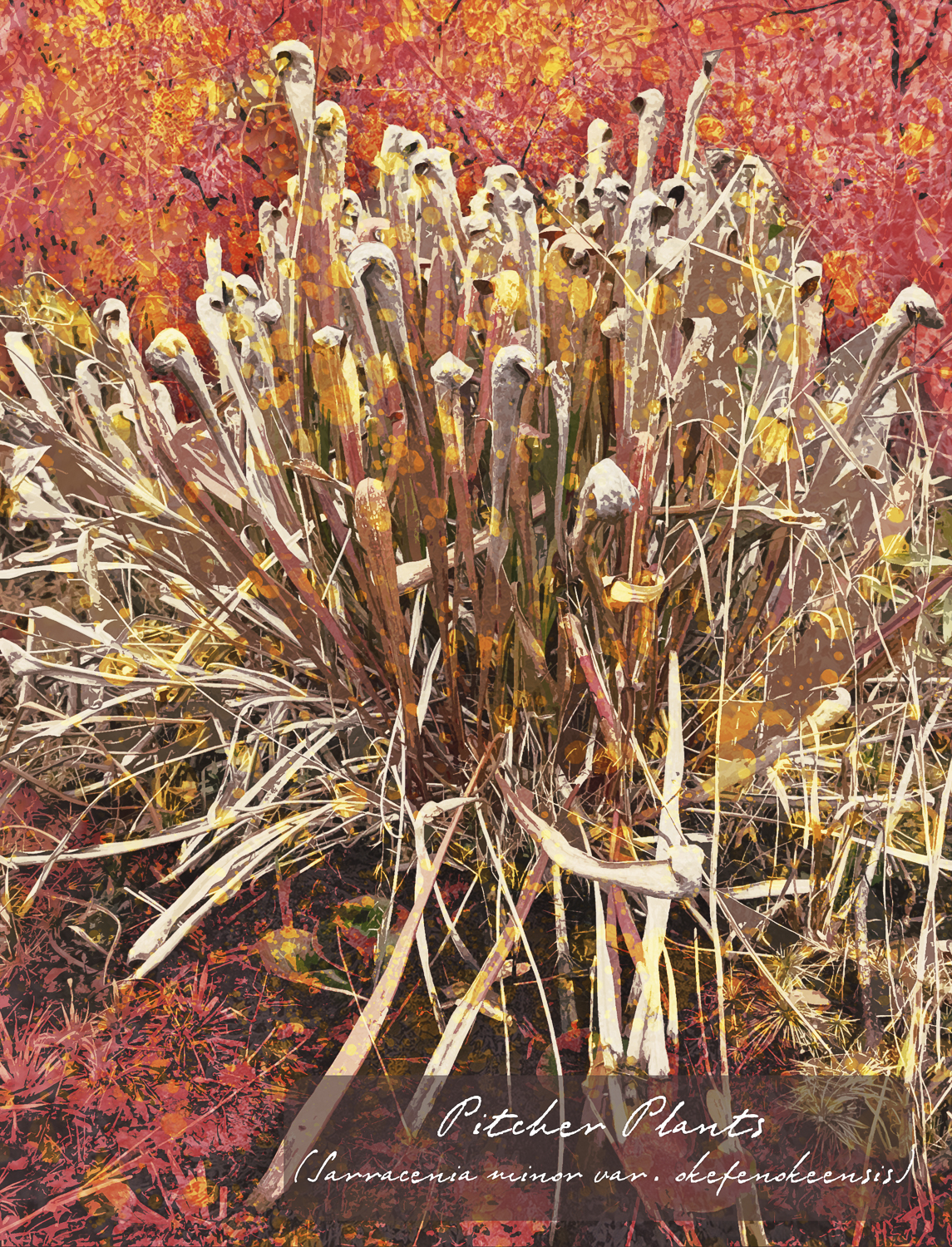
The swamp has many species of carnivorous plants, including Utricularia, Sarracenia psittacina, and the giant Sarracenia minor var. okefenokeensis. A species of mushroom-like fungus Rogersiomyces okefenokeensis J.L. Crane & Schokn. 1978 is found in the swamp. The swamp is home to many wading birds, including herons, egrets, ibises, cranes, and bitterns, though populations fluctuate with seasons and water levels. The swamp also hosts numerous woodpecker and songbird species.[23] Okefenokee is famous for its amphibians and reptiles such as toads, frogs, turtles, lizards, snakes, and an abundance of American alligators. The oldest known alligator, named "Okefenokee Joe" after environmentalist Okefenokee Joe, died in September 2021, at almost 80 years of age.[24][25] The Okefenokee Swamp is also a critical habitat for the Florida black bear.
- Wildlife of Okefenokee Swamp


 A large American alligator

.jpg)
_(38664887256).jpg)
_(24706862448).jpg)

See also
- The films Swamp Water, Lure of the Wilderness, and Gator are set in the swamp.
References
- ↑ "Okefenokee Swamp". nps.gov. National Park Service. Archived from the original on April 2, 2015. Retrieved March 10, 2013.
- ↑ "Georgia's Okefenokee Swamp among new additions to join UNESCO's World Heritage List". AP News. July 25, 2026. Retrieved July 27, 2026.
- ↑ Handbook of North American Indians: Languages. Government Printing Office. January 1, 1978. ISBN 9780160487743.
- ↑ Milanich, Jerald T. (August 14, 1996). Timucua. VNR AG. pp. 50, 202. ISBN 9781557864888.
Anthropologist John Worth has suggested the Oconi, a group unrelated to the Oconee Indians of later times who spoke a Muskhogean language, were inland on the eastern edge of the Okefenokee Swamp.
- ↑ Matschat, Cecile Hulse (1938). Suwannee River: Strange Green Land. University of Georgia Press. p. 7.
- ↑ "Georgia Forestry Commission Home Page". Gatrees.org. Retrieved April 6, 2011.
- ↑ "Massive Blaze in S.E. Georgia Jumps Fire Lines". Jacksonville, Florida: WJXT-TV. May 25, 2007. Archived from the original on May 24, 2011. Retrieved April 6, 2011.
- ↑ "InciWeb: Honey Prairie Complex". InciWeb. Archived from the original on October 15, 2011. Retrieved October 14, 2016.
- ↑ "Honey Prairie Complex". InciWeb Incident Information system. Archived from the original on January 25, 2012. Retrieved February 2, 2012.
"Honey Prairie Complex Fires". U.S. Fish and Wildlife Service. Retrieved February 2, 2012.
"Okefenokee's birds undeterred by fires". The Atlanta Journal-Constitution. Retrieved February 2, 2012. - ↑ [permanent dead link]
- ↑ "South Georgia wildfire forces evacuations; ash reaches Jacksonville". The Atlanta Journal-Constitution. May 19, 2017. Archived from the original on May 15, 2017. Retrieved May 19, 2017.
- ↑ "GA Firefighters Report Progress Against West Mims Fire in Okefenokee". Firefighter News. May 19, 2017. Archived from the original on May 18, 2017. Retrieved May 19, 2017.
- ↑ Dunlap, Stanley (August 8, 2019). "Public pressure killed Okefenokee mining plans once. Will it again?". Georgia Recorder. Retrieved February 22, 2021.
- ↑ Marks, Josh (January 2, 2021). "LETTER: Sen. Perdue threatening to drain the wrong swamp, Georgia's world-famous Okefenokee". Madison Journal Today. Retrieved February 22, 2021.
- ↑ Peck, Rena Ann (November 4, 2020). "River watchdog: Federal clean water law changes threaten Okefenokee". Savannah Morning News. Retrieved February 22, 2021.
- ↑ "Twin Pines Minerals, LLC – Charlton County". Twin Pines Minerals, LLC. n.d. Retrieved February 22, 2021.
- ↑ Mecke, Marisa (June 3, 2022). "Army Corps blocks mine near Okefenokee, cites failure to consult Muscogee Creek Nation". Savannah Morning News.
- ↑ "Conservation group makes $60M land deal to end mining threat outside Okefenokee Swamp". Associated Press. June 20, 2025. Retrieved June 20, 2025.
- ↑ Dennis, Brady (July 25, 2026). "Georgia's Okefenokee swamp becomes UNESCO World Heritage site". The Washington Post. ISSN 0190-8286. Retrieved July 27, 2026.
- ↑ Landers, Mary (April 14, 2020). "Okefenokee named among 'most endangered' rivers". Savannah Morning News. Retrieved August 8, 2023.
- ↑ Mecke, Marisa (April 18, 2023). "American Rivers names Okefenokee in Top 10 most endangered rivers". Savannah Morning News. Retrieved August 8, 2023.
- ↑ United States Geological Survey. "Land Cover Viewer" (Map). National Gap Analysis Program. United States Geological Survey. Retrieved February 8, 2013.
- ↑ "Bird Checklists of the United States: Okefenokee National Wildlife Refuge". US Fish and Wildlife Service. Archived from the original on April 22, 2014. Retrieved March 28, 2015.
- ↑ Paúl, María Luisa (September 11, 2021). "Okefenokee Joe, 'an amazing old' alligator named after a Georgia singer, has died". The Washington Post. Retrieved March 30, 2023.
- ↑ "Okefenokee Joe, an alligator believed to be as old as WWII, passes away". FOX TV Digital Team. September 12, 2021. Retrieved September 19, 2021.

Bibliography
- Afable, Patricia O. & Beeler, Madison S. (1996). "Place Names". In Goddard, Ives & Sturtevant, William C. (eds.). Handbook of North American Indians. Vol. 17: Languages. Washington, D.C.: Smithsonian Institution.
- Worth, John E. (1998). Timucua Chiefdoms of Spanish Florida. Volume 2: Resistance and Destruction. University Press of Florida. ISBN 0-8130-1574-X. Retrieved July 7, 2010.
- Nelson, Megan Kate (2005). Trembling Earth: A Cultural History of the Okefenokee Swamp. Athens: University of Georgia Press. This is a readable book from a professional historian that covers the history of the human interaction with the swamp from about 1700 to the 1940s, very good background for those planning a visit.
Further reading
- Deep in the Swamp by Donna M. Bateman (2007)
External links
- GeorgiaEncyclopedia.org: Natural History of the Okefenokee Swamp
- FWS.gov: Okefenokee National Wildlife Refuge website
- Gorp.com: Okefenokee Swamp and National Wildlife Refuge
- Okefenokee Adventures website
- Okefenokee Pastimes website
- Okefenokee Swamp parks website
- Okefenokee Nation website
- Charlton County: Okefenokee Swamp historical marker
| International | |
|---|---|
| National | |
| Other | |
